In dit artikel
Lowering your Total Cost of Ownership: Where ERIKS makes a real difference

In industrial markets, sustainable value creation is rarely driven by unit price alone. It is driven by performance over time: reliability, uptime, development speed and operational efficiency. Lowering Total Cost of Ownership (TCO) is a core way in which ERIKS can add value to their customers.
TCO as a strategic differentiator
For many industrial customers, especially in high-tech sectors, the majority of costs are not visible at the point of purchase. They arise later, through:
- Downtime and yield loss
- Maintenance and replacement
- Redesigns and delayed market entry
- Energy inefficiency or process instability
ERIKS addresses these costs structurally, by combining deep component expertise, engineering capabilities and application knowledge. This moves ERIKS’ role upstream, from transaction-based supply to value-based partnership.
Engineering expertise reduces lifecycle risk
Besides the distribution of industrial components, ERIKS is also known for their expertise in engineering, customization and design support. These are all critical capabilities for TCO reduction.
Incorrect material choices, over‑ or under‑engineering, or generic component selection often lead to premature failure or inefficiency. Paul Vos adds: “ERIKS mitigates many risks by tailoring solutions to real operating conditions like pressure, temperature, hygiene requirements, chemical exposure or cleanroom constraints.”
Impact of component price on TCO
Across most industries Total Cost of Ownership is driven less by component price and more by reliability, uptime, maintenance intensity and process stability. Whether it is avoiding contamination and downtime in semiconductor fabrication plants, reducing leakage and cleaning‑related wear in hygienic environments, ensuring consistent performance in regulated pharmaceutical production, engineering for extreme conditions in energy transition technologies, or protecting continuous operation in datacenters, the underlying challenge is the same: failure is disproportionately expensive. ERIKS addresses these challenges by applying deep component and application expertise early in the lifecycle by selecting the right materials, designing for real operating conditions, and standardising where possible. This to reduce failure risk, extend service life and limit unplanned interventions.
TCO reduction examples
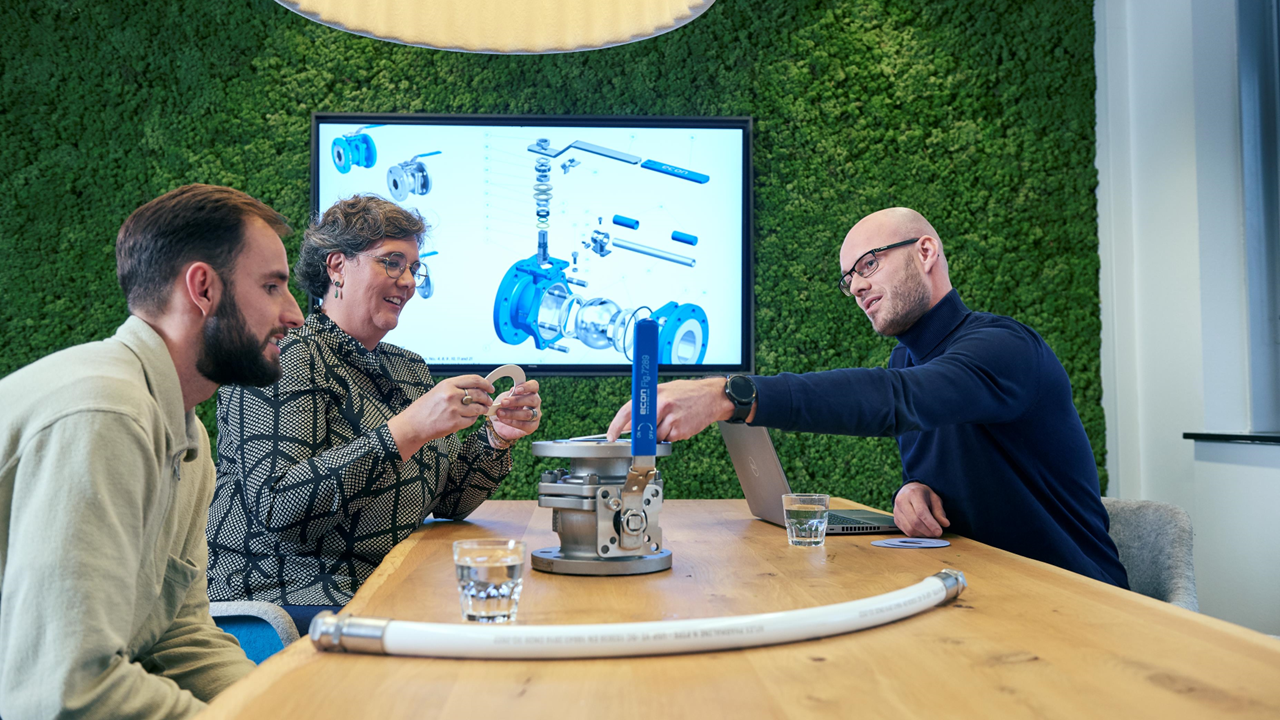
Higher‑quality seals preventing massive downtime costs for cocoa processor
Customer challenge
A cocoa processor experienced leaking o‑rings in a chocolate press, requiring corrective maintenance four times per week, leading to frequent downtime and high labor costs.
ERIKS solution
ERIKS replaced the standard O‑rings with a higher‑grade sealing material with superior thermal and chemical resistance, specifically engineered for the application.
TCO impact
- Failures reduced from weekly to once per month
- Annual costs dropped from ~€625,000 to ~€38,000
- Total savings of over €587,000 per year, despite a tenfold increase in unit price of the seal
Key takeaway
Paying more for the right component delivered dramatic lifecycle savings by reducing downtime, labor and production losses.
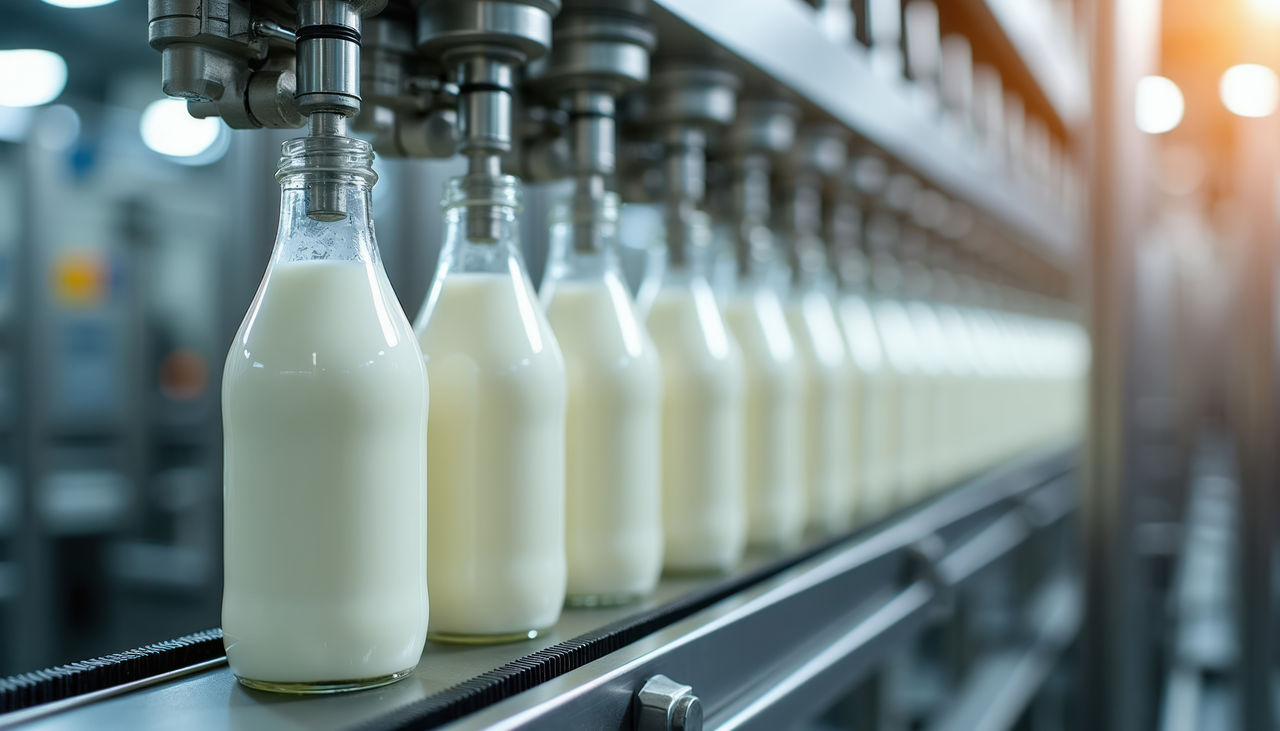
Solving a noise problem uncovered hidden energy waste for food & dairy producer
Customer challenge
In a dairy factory, staff routinely turned up the radio to mask the noise of a conveyor belt. The noise had become “normal” and went unchallenged.
ERIKS insight and solution
Inspection revealed inefficient, worn bearings, forcing the motor to work harder than necessary. ERIKS advised replacing the bearings with properly specified alternatives.
TCO impact
- Reduced energy consumption
- Lower mechanical wear
- Prevention of future failures and unplanned downtime
Key takeaway
By questioning the status quo and addressing root causes, ERIKS helped the customer reduce energy and maintenance costs that had gone unnoticed for years.